Reflecting on Indigenous Representation from City to Classroom in Prince Rupert, BC
/ 6 min read
Assignment:
This assignment requires a critical investigation into cultural diversity within an educational context. The goal is to define the scope of investigation, gather institutional and observational data, and reflect on how these findings impact pedagogical practice and learner challenges.
Objective & Rationale
For this task I decided to investigate local indigenous population statistics at the municipal level, and compare it across School District 52 and my own class at Conrad Elementary to better understand the local demographics and population of Prince Rupert, BC. Understanding the cultural makeup of my classroom is something I feel is essential for creating an inclusive teaching practice and learning environment that honors Indigenous knowledge.
Data
To guide my research, I drew from multiple institutional, federal and municipal sources including:
Official Institutional Data:
Data Reliability
While the sources I have chosen provide a good starting point for this research, it is vital to acknowledge potential gaps in institutional reporting. For example, the 2021 Census carried an 4.7% non-response rate for Prince Rupert, which may have resulted in an underrepresentation of marginalized groups. In addition to that, as some of the data referenced relies on self-identification, historical trauma and institutional mistrust may influence potential representations of the true Indigenous demographic.
Finally, it is known that data associated with total indigenous identity may be potentially affected by incomplete information due to outlying reserves and settlements. [7]
About Prince Rupert
Prince Rupert is situated on Kaien Island among the traditional and unceded territory of the Ts’msyen peoples. The City of Prince Rupert serves as an urban hub for many smaller outlying communities including Metlakatla, Hartley Bay, Lax Kw’alaams, Kitkatla, Oona River and others.
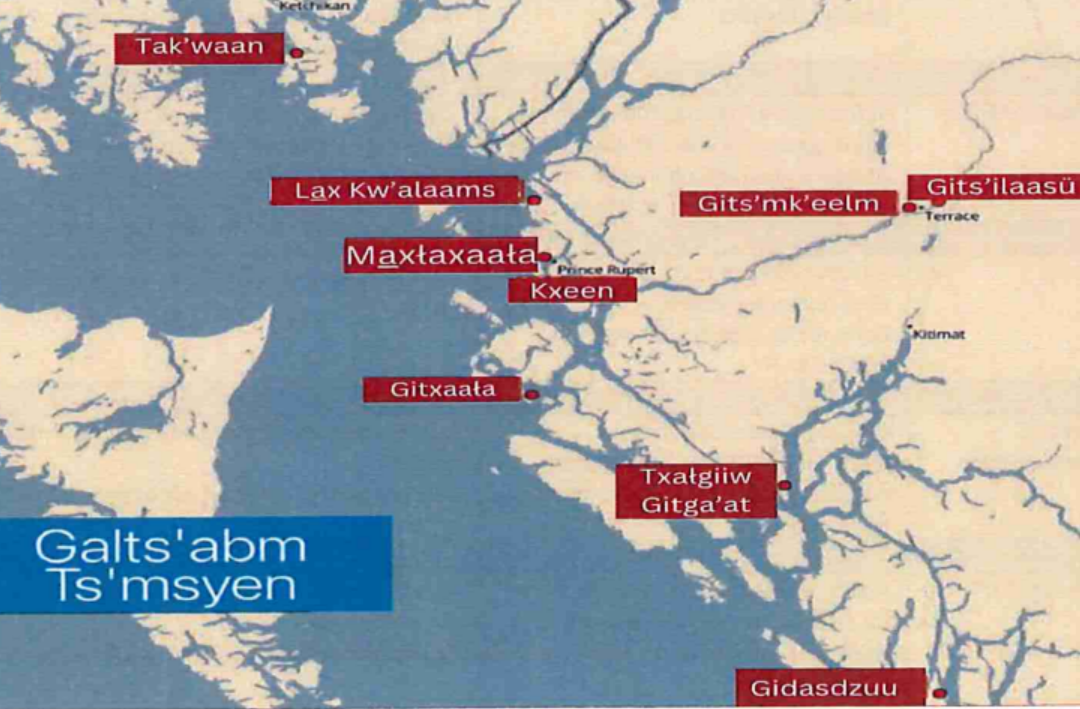
Map of Kaien Island (Prince Rupert) and neighboring Ts’msyen Villages [6]
About Conrad Elementary
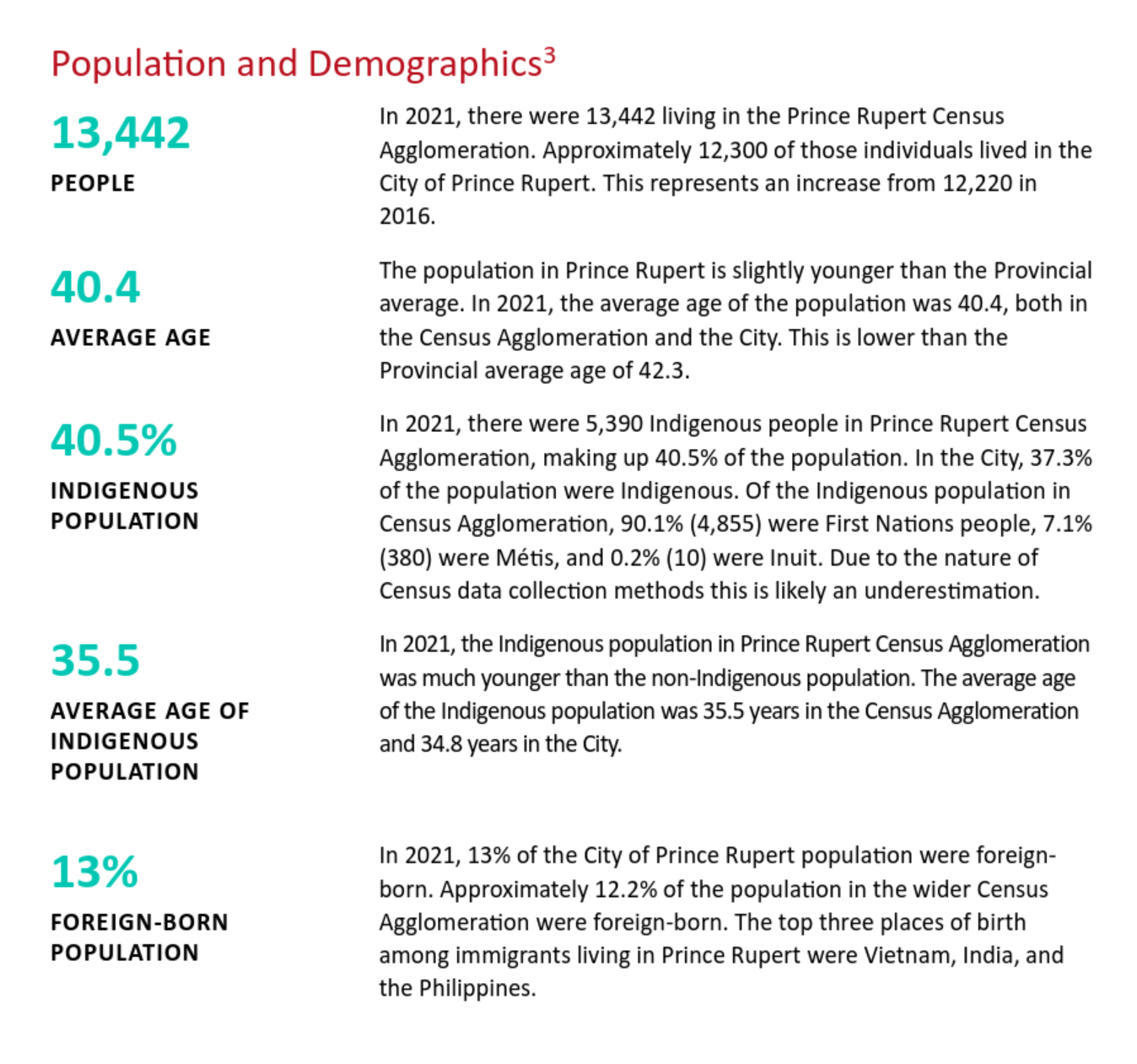
Conrad Elementary, located on the east side of Prince Rupert, serves some of city’s lowest socioeconomic areas, including low-income housing complexes, while simultaneously acting as a feeder school for outlying Indigenous communities like Metlakatla. [2] According to the 2023-2024 Conrad School Plan, Conrad’s enrollment of 208 students includes 78% who are of Indigenous ancestry. [2] In my own classroom of 20 students, approximately 85% of the class is Indigenous with a mixture of on reserve, off reserve, and non-status students.
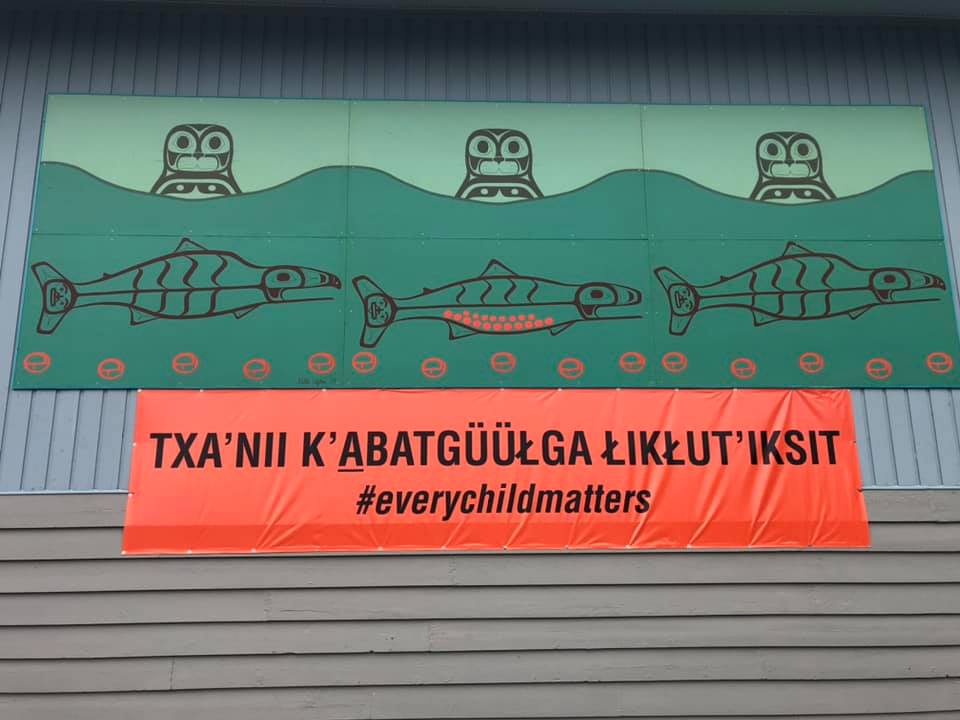
Conrad Elementary - Image from https://www.facebook.com/conradelementaryschool
Findings
One interesting observation about this data is the sharp increase in Indigenous representation when one compares federal/municipal data to local school district level data. Another finding of this research was the significant variation between indigenous student numbers within School District 52 elementary schools.
| Institutional Level | Indigenous Identity Rate |
|---|---|
| The City of Prince Rupert | 37.3% |
| Prince Rupert Census Agglomeration | 40.5% |
| SD52 (District-wide) | 61% |
| Elementary Schools: | |
| Annunciation (K-8 Private Catholic School) | 37.3% |
| Lax Kxeen Elementary | 45% |
| Pineridge Elementary | 60% |
| Roosevelt Park Elementary | 63% |
| Conrad Elementary | 78% |
| My Gr. 2 Classroom | 85% |
One thing to note is that both Statistics Canada data and the 2024 Social Development Assessment released by the City of Prince Rupert confirm that indigenous residents in Prince Rupert have an overall lower median age compared to non-indigenous residents. [7] [8] This median age disparity gives a potential reason to why school populations don’t necessarily mirror municipal demographics; specifically, younger Indigenous families are more likely to have school-aged children compared to the non-indigenous population.
Implications for Teaching Practice
Having these numbers and comparisons in front of me put into perspective how I understand what “diversity” looks like in my professional context.
In considering Parrish and Linder-VanBerschot’s (2010) [9] Cultural Dimensions of Learning framework to this research, it becomes clear that a pedagogical shift towards Indigenous ways of knowing should be an essential part of a students core classroom experience.
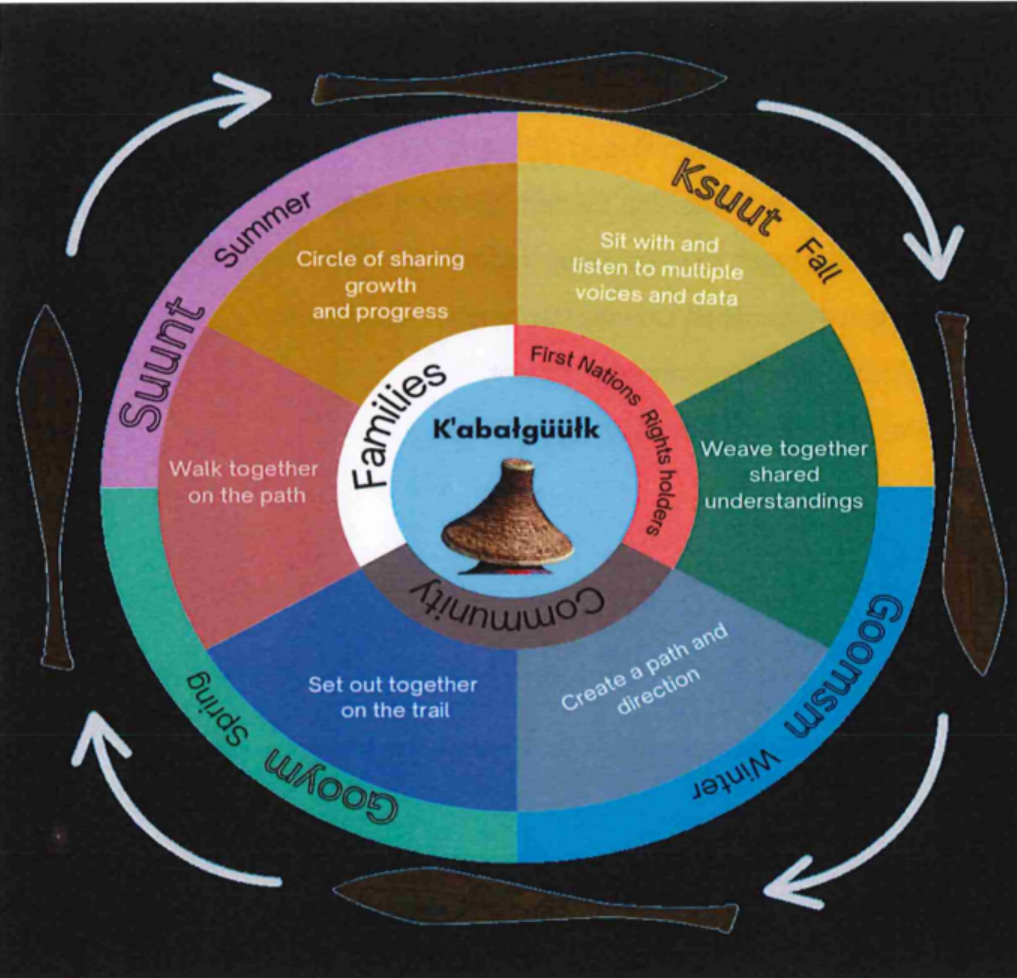
The SD52 Seasonal Rounds framework, illustrating the integration of Ts’msyen seasons into the district’s continuous improvement cycle. [6]
Reflections
Initially I found the contrast between municipal and school district data to be quite surprising due to their differences. An epiphany I had through this exercise was the sheer amount of variables, interconnectedness, and considerations that go into demographics, data and diversity. Prior to this assignment, my understanding of Prince Rupert’s Indigenous demographics primarily came from experiences in classrooms and informal conversations with colleagues. Looking this data and cross referencing it revealed patterns I had sensed anecdotally but not fully understood in terms of a broader municipal context.
This research illuminated a surprising intersection between high rates of Indigenous identity and poverty in Prince Rupert’s educational landscape. As for Conrad’s 78% Indigenous enrollment, it is interesting to consider whether the high percentage is indicative of lower-income neighborhoods associated with the East side of Prince Rupert who may which face barriers to school choice that other more affluent families would not experience (ie. Taking the ferry to/from school everyday)
All and all, reflecting on this data, it is clear to me that part of my role as an educator here in Prince Rupert is to facilitate spaces where students can engage with and explore their cultural identity.
References
British Columbia Ministry of Education and Child Care. (2025). 2025 school district report: SD052 Prince Rupert. Government of British Columbia.
Conrad Elementary School. (2023). Conrad’s school plan 2023-2024. School District 52 Prince Rupert.
Pineridge Elementary School. (2024). Pineridge school plan 2024-2025. School District 52 Prince Rupert.
Roosevelt Park Elementary School. (2024). School improvement plan 2024-2025. School District 52 Prince Rupert.
Lax Kxeen Elementary School. (2024). School improvement plan 2023-2024 (Revised). School District 52 Prince Rupert.
School District 52 Prince Rupert. (2024). Annual enhancing student learning report.
Statistics Canada. (2022). Focus on geography series, 2021 census: Prince Rupert (City).
City of Prince Rupert. (2024). Prince Rupert social development assessment. Urban Matters CCC Ltd.
Parrish, P., & Linder-VanBerschot, J. A. (2010). Cultural dimensions of learning: Addressing the challenges of multicultural instruction. International Review of Research in Open and Distance Learning, 11(2), 1–19.