A Project by Noralee Yarra, Jordan Swallow, and Jeremy Sheeshka
One of our projects for ETEC 511: New Foundations of Educational Technology was to identify a significant shift and technological change in an educational technology where the adoption of a newer technology displaces a previous one.
For this group project, we have chosen to focus on the small-scale tipping point case of the technology adoption of Mathology through the lenses of: differentiated learning, differentiated instruction, and differentiated assessment.
Mathology is a digital and print math resource that shifts learning from traditional paper-and-pencil tasks to more hands-on, engaging, and accessible learning experiences. It includes interactive activities, sample unit plans, “little books”, and built-in assessments that support all learners. Mathology supports differentiated learning by meeting students where they’re at in terms of current proficiency. Depending on the individual student, Mathology can assist them with extra support, extension, or something in between. This digital platform blends core instructional strategies with tools that allow for differentiated instruction and assessment in real-time. Inspired by the idea of “Mathland,” where students explore and build stronger foundations of math in authentic, meaningful, and situated ways, Mathology helps create inclusive, accessible, student-centered classrooms where every learner can thrive.

etr.mathology.ca/
Mathology represents a cross-curricular shift in the elementary math classroom by displacing traditional teaching tools and systems with digital and printed counterparts for educators. Where teachers often rely on calculators and counting manipulatives in routines and curriculum, Mathology’s digital offerings package this workflow of lesson preparation, delivery, and assessment together in an interactive way that blends different areas of learning, literacies, and content knowledge. Whether it be dice, playing cards, cubes, blocks, worksheets, or even textbooks, Mathology represents a shift in physical artifacts of math teaching that focuses on an accessible learner- centered experience.

By bundling together differentiated instructional materials, Mathology transcends analog resource management, shakes up past pedagogical routines and practices, and displaces paper-and-pencil assessments through a single multi-modal platform.
Working with Woolgar
One aspect of Mathology in particular worth noting is in how the tool takes into consideration the user’s experience, attention, and usability of the tool itself on a digital level. The streamline process of which the content is distributed and accessed by students (what the user can and cannot do), along with user feedback cycles, are both factors which influence the platforms overall usability and actively shape how students interact with mathematics.
Where previously students worked with objects or printed worksheets for math at an individual pace, Mathology offers clickable manipulatives, and real-time information about the students learning on a dashboard. The instantaneous feedback, along with the prescribed sequences and actions of how students are able to interact with the on-screen material (dragging, clicking, uncovering etc.), inside of a story-driven environment, are all design choices that effectively make Mathology rise above the usability of traditional tools, systems and technologies that came before it.
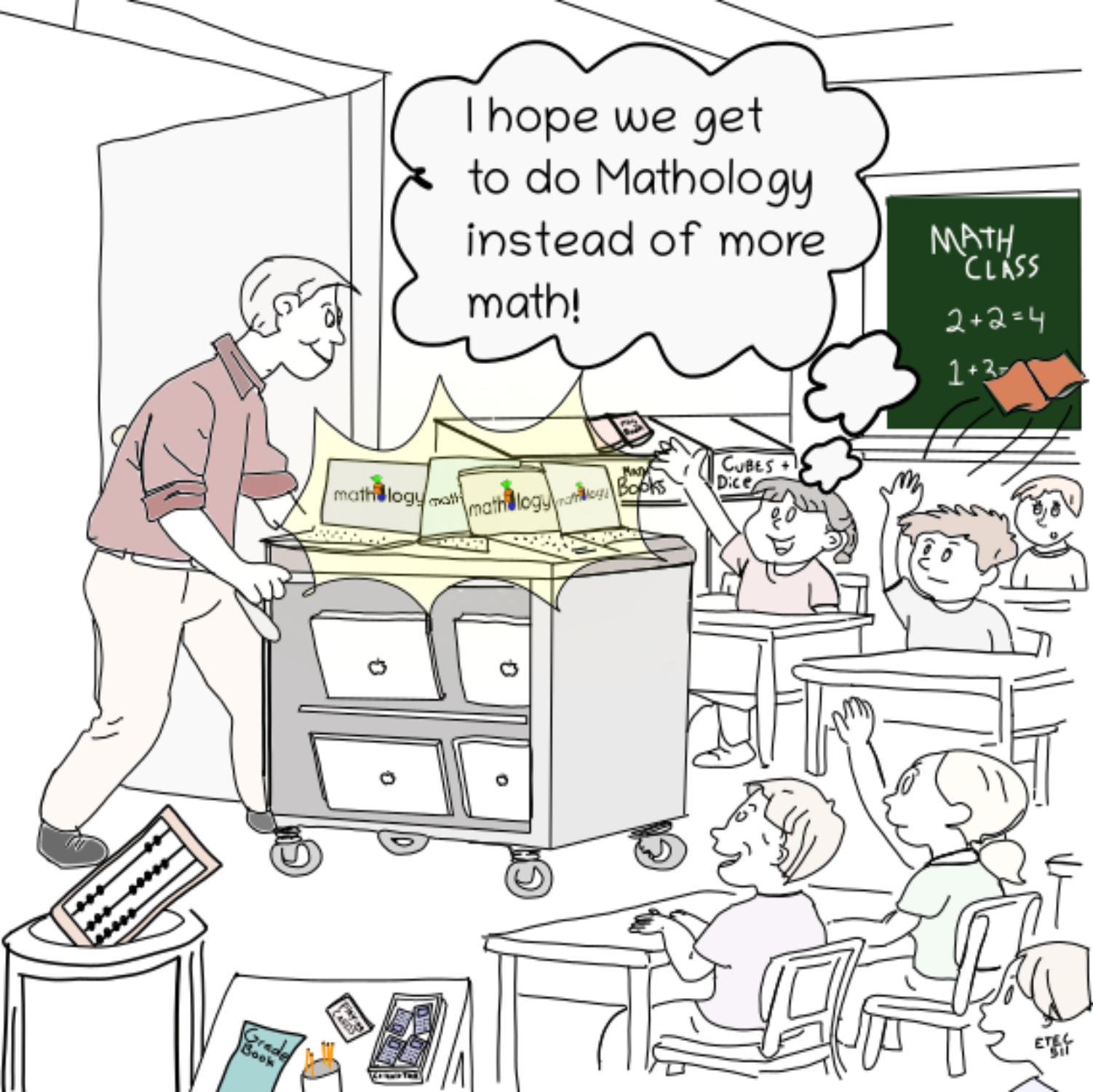
Moving from In-Person to Online with Mathology
The COVID-19 pandemic marked a critical tipping point for digital educational resources. School systems across the globe shifted from in-person to online learning. The transition of mathematical modelling moved from concrete materials in the classroom to online platforms with digital resources. Pearson Canada Mathology launched their first prototype testing in 2019 which became a central resource for many educators during the pandemic in 2020. The pandemic created both a necessity and opportunity for its digital features that were accessible, user-friendly, and aligned with curriculum goals. “Little books” that were available in print, for instance, were accessible for children and teachers online. Mathematical manipulatives (also known as teaching tools) such as linking cubes, number lines, and coloured counters were used in the classroom to concretely model mathematical thinking in elementary classrooms. This required both students and educators to transition from traditional, concrete instructional methods to more abstract approaches. The tipping point here was the urgent need to maintain meaningful mathematical learning during pandemic-induced school closures. It inevitably pushed educators to fully embrace digital platforms like Mathology to deliver hands-on modelling experiences in a virtual format. Each little book was organized according to grade level and curriculum strand. They had a “Try This Activity” prompt that incorporated consolidation questions for students to check their mathematical learning using virtual manipulatives. This transition, however, revealed and amplified the digital divide. It raised important equity questions that resonate with broader global health disparities in access to resources.
Before the pandemic, mathematical modelling in early education was often facilitated through hands-on activities, group work, and tactile manipulatives. But when schools were forced to close in early 2020, educators had to quickly find ways to replicate these practices virtually. According to Bennett (2020), “The educational experience has been substandard for students during COVID-19,” (Bennett, 2020). Thus, the lack of direct teacher-student interaction and resources left students behind academically and socially. UNESCO (2020) reported that the pandemic triggered a “world crisis in education,” which led to global efforts and included digital innovation to maintain some form of student engagement.
Educational institutions, school boards, and teachers were required to implement digital tools that allowed continuity of learning, especially in math, which was a subject that was particularly impacted by remote instructions especially in primary grades of elementary. Kuhfeld et al. (2020) noted that students faced “substantial learning losses,” particularly in math, and that early and effective intervention was critical. Mathology was one resource that offered digital resources such as virtual access to its collection of little books and modelling tools.
Pearson’s Mathology program effectively met this need. The design of the program was a blend of print and digital tools that included manipulatives, guided math lessons, assessments, and story-based little books. These books—such as Fantastic Journeys and Arrays Bakery—were resources that helped young learners visualize mathematical concepts through storytelling. In pre-pandemic classrooms, students might read Arrays Bakery and then build physical apple arrays using coloured counters. But when classrooms moved online, this tactile activity was replaced with Mathology’s digital features of using digital coloured tiles.
The “Try This Activity” section became particularly useful. In the Fantastic Journeys book, for instance, learners are prompted to use number lines to represent skip counting as an estimation strategy. Educators adapted this to online settings by using shared screens, digital whiteboards, and at-home items for hands-on modelling.
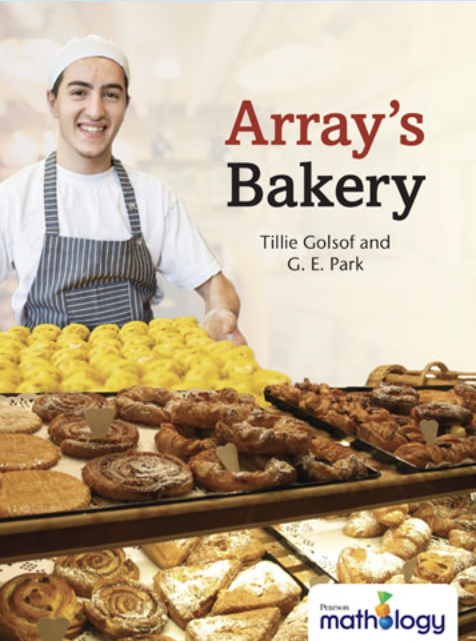
Figure 1
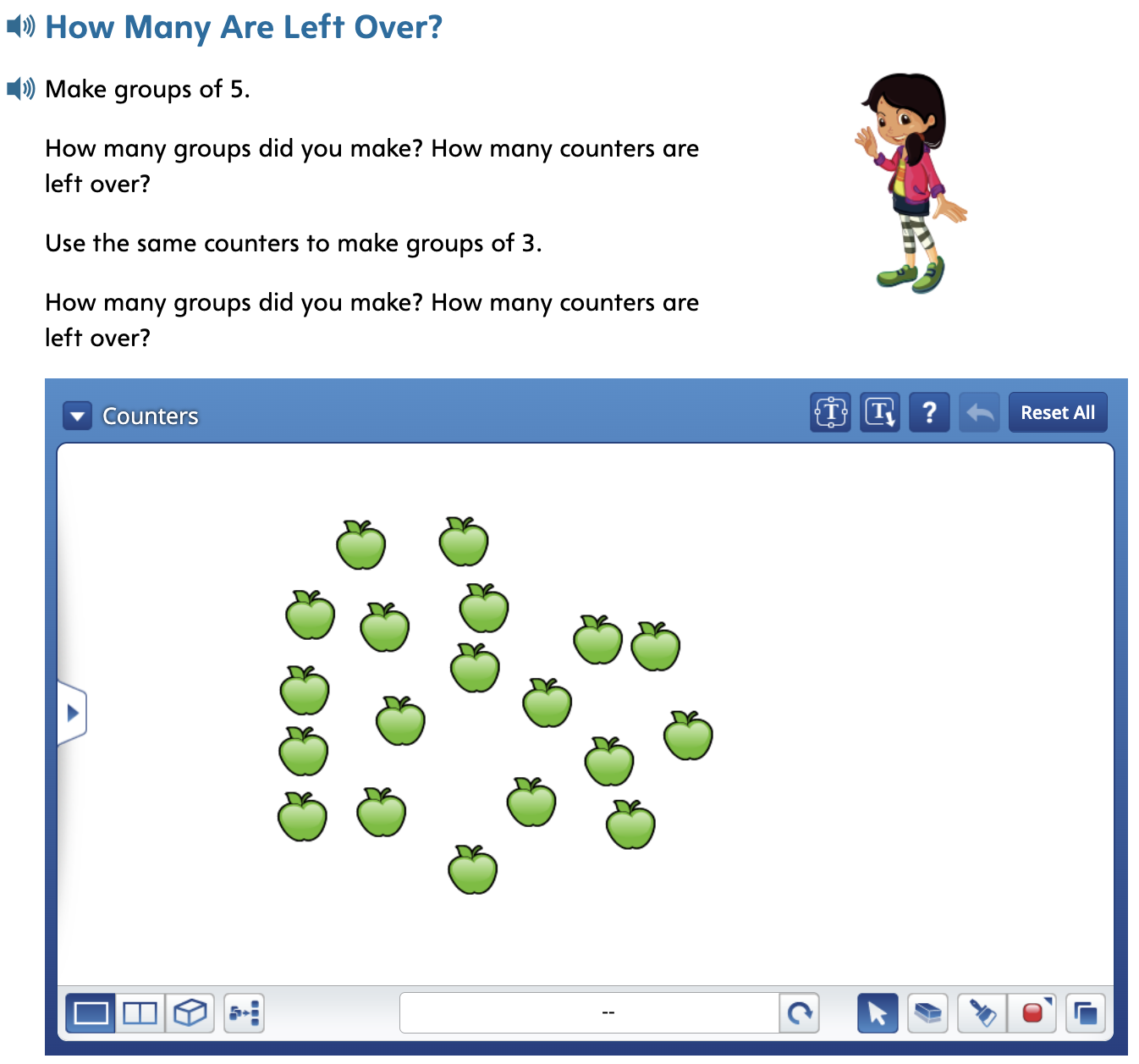
Figure 1
Figure 1 shows the Arrays Bakery little book which introduces students to the concept of arrays through a relatable bakery setting. Following the story, the follow-up “Try This Activity” math question prompted students to create their own arrays using digital coloured apples which related to the baked goods in the story. This activity reflects the shift from in-person learning where students used physical coloured tiles in the classroom to a digital format. Learners have the ability to arrange virtual apples into equal rows and columns. It encourages students to apply mathematical modelling in an online environment which reinforces early multiplication and spatial reasoning skills through engaging and interactive visual tools.
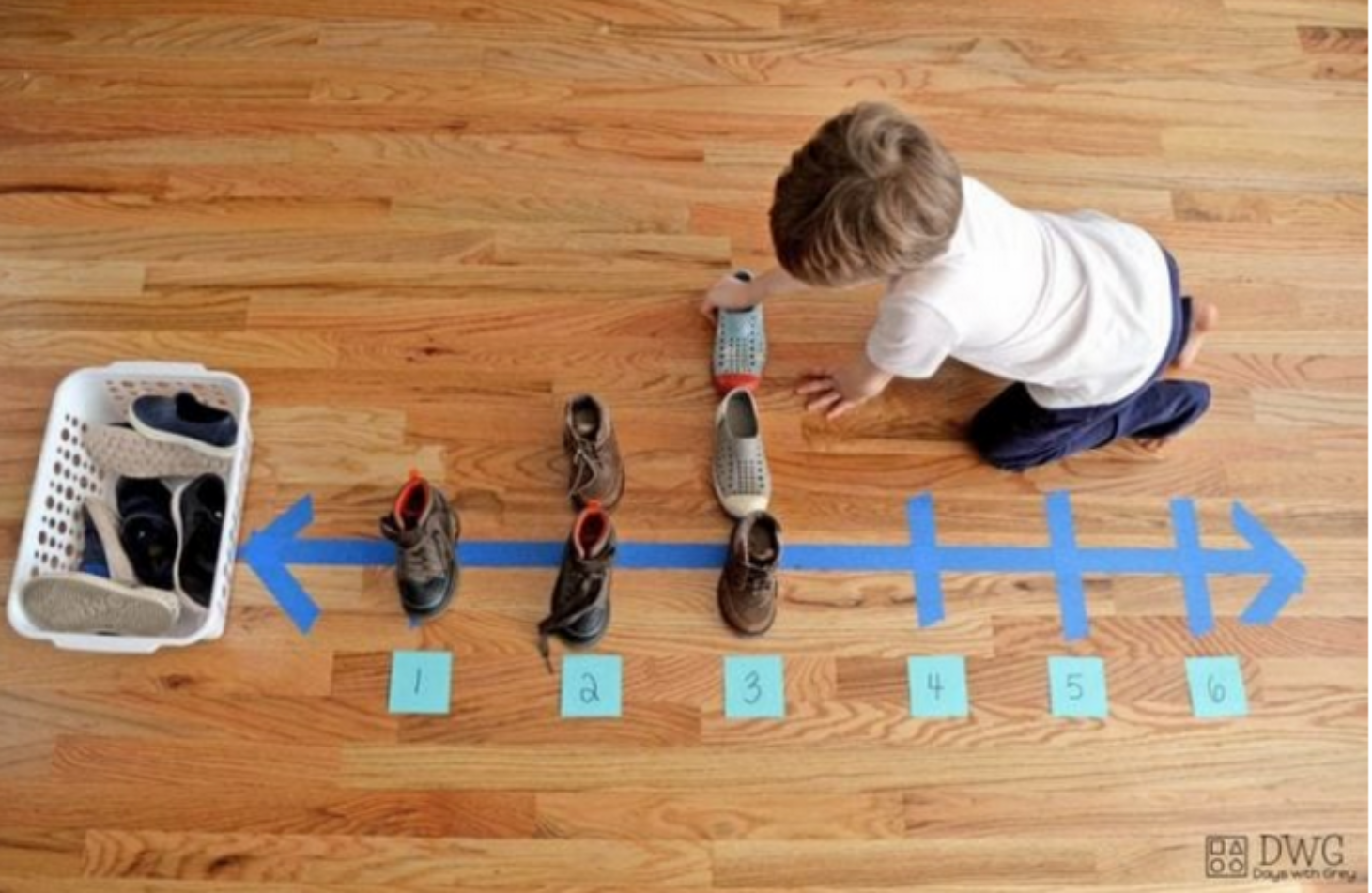
Figure 2: Building numbers with hands-on tools in the classroom
Trajectory of transitioning from in-person to online using Mathology
Figure 2 illustrates the learning trajectory from hands-on, in-class exploration to interactive digital engagement using Mathology. The sequence begins with students physically constructing a number line using painter’s tape, shoes, and sticky notes. In classrooms, children learn to anchor their mathematical learning in tangible and authentic contexts. This progresses to collaborative group work with Mathology’s printed activity cards which deepen conceptual understanding through problem-solving strategies in the form of an escape room format. The learning then transitions to the digital environment where students use Mathology’s online tools to click, drag, and drop numbers.
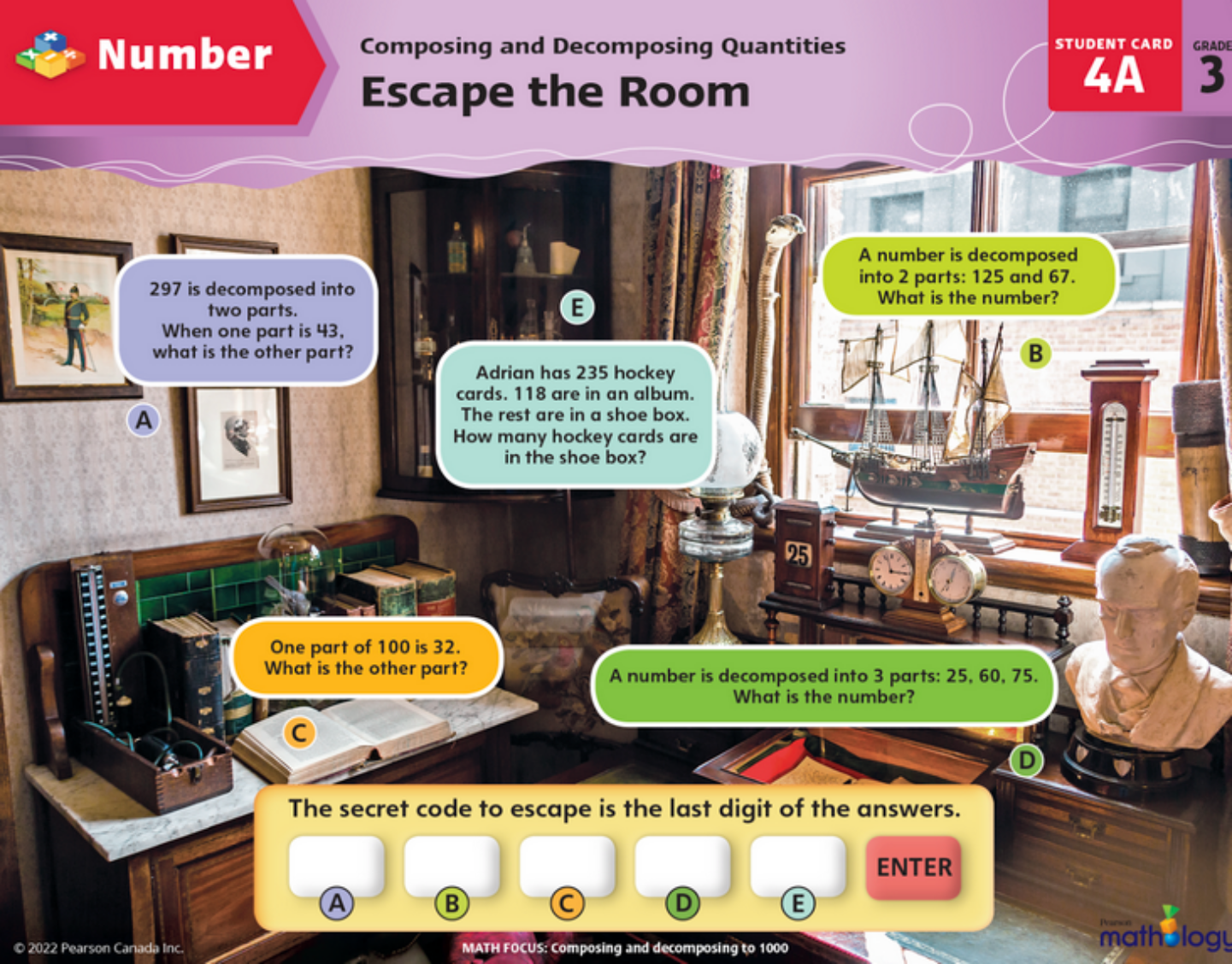
Figure 2: Dragging numbers on digital line using mathology
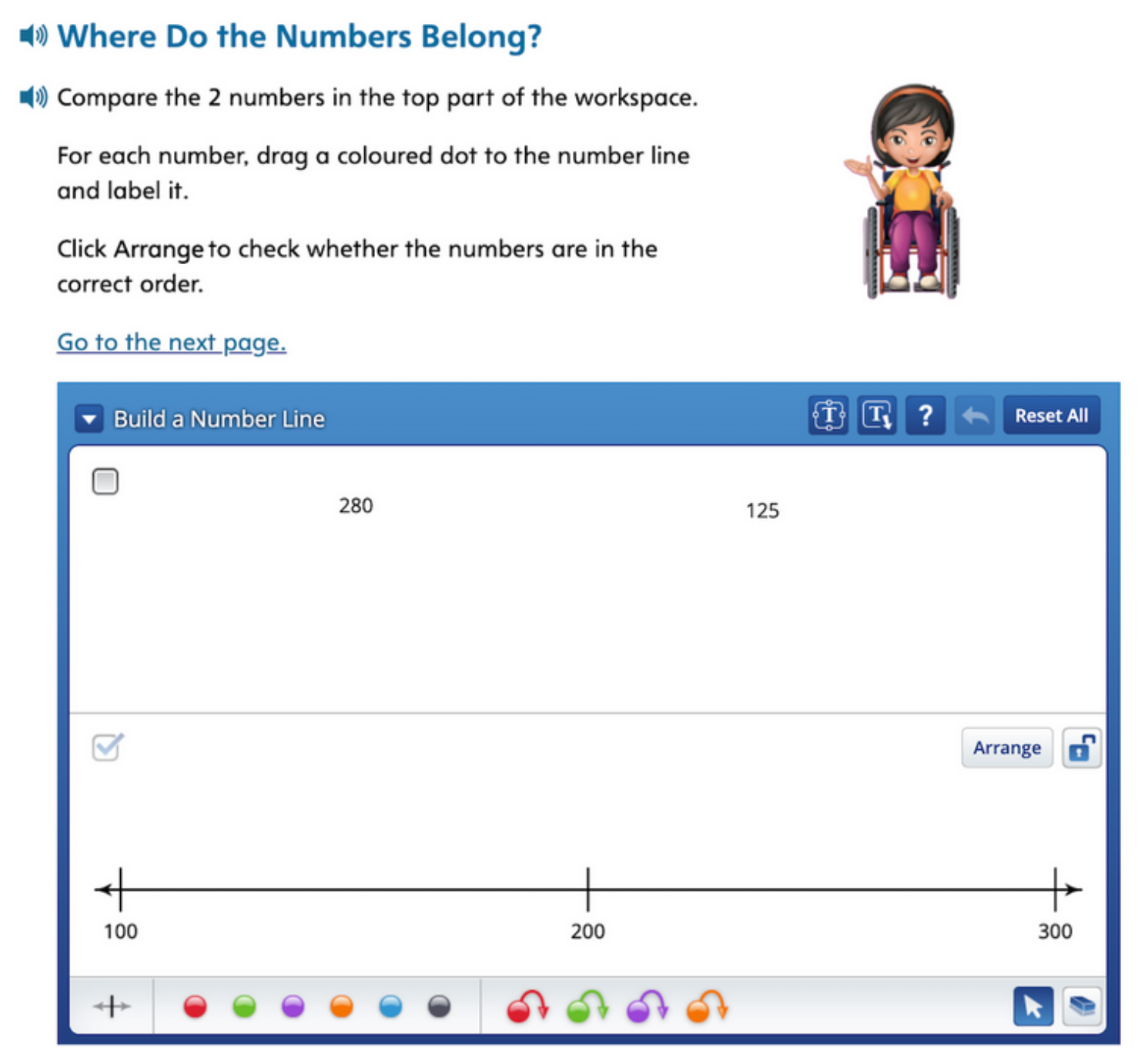
Figure 2: Collaborating with printed Mathology cards in the classroom
School boards, educational technology leads, and teachers needed engaging, curriculum-aligned virtual resources which triggered this change. Tools like Mathology became lifelines for educators. However, the shift highlighted digital inequities deeply rooted in socioeconomic status and geographic location. Sievertsen and Burgess (2020) argued that “school closures will increase inequality in learning.” Students who did not have consistent and reliable internet access faced challenges with engaging or even accessing Mathology’s online features. This comparison reinforces that digital learning is not just an educational issue—it’s a public equity issue. Students in rural communities faced disproportionate challenges.
A major benefit of Mathology is the use of personalized algorithms to deliver a differentiated learning experience. Developer Seymour Papert’s concept of Mathland grounds the importance of engaging math instruction. He posited that math shouldn’t be taught through memorization, but in a more natural way, similar to how we learn language.
TEDx Talks (2014, March 25th). Seymour Papert -- inventor of everything: Gary Stager at TED

Mathology addresses the lack of differentiation at a young age, understanding that each student has strengths and weaknesses. Differentiated instruction allows the teacher to create personalized lessons using data analytics. Mathology’s data-driven approach provides teachers with usable metrics on each student to make informed decisions about how to sculpt each student’s path toward mathematical success.
While Mathology addresses challenges, Kate Crawford identified issues when large corporations like Google or Meta operate with little regulatory oversight. Mathology is owned by Pearson plc, which holds a level of public wariness due to its for-profit structure. As Crawford warns, concentration of power can lead to a system that incentivizes profit over pedagogy.

Digital labour and sustainability are also intertwined. Teachers have an efficient system, but large tech organizations may externalize labour costs. Sustainability can be examined through three key dimensions:
Differentiated technology creates sustainable learning pathways by meeting students at their level, preventing discouragement.
Sustains capacity by streamlining routine tasks like grading with ready-to-use resources, reducing workload burden.
Improves education quality across grades and reduces paper waste through smart digital integration.
Innovation and Inequity
Mathology re-imagines math learning through hands-on digital interactivity and a storytelling framework. Its emergence during the COVID-19 pandemic signals a critical tipping point in how teachers understand and deliver math instruction. As Crawford (2021) reminds us, innovation in education is never neutral. We invite readers to think critically about the sustainable use of digital tools regarding pedagogical effectiveness and ethical data collection. Ultimately, a tipping point is defined by the value it carries for users and the possibilities it opens or displaces for educators and learners alike.
References
Bennett, P. (2020). The educational experience has been substandard for students during COVID-19. The Globe and Mail.
COVIDEA. (2020). Adapting education systems to a digital world through the use of appropriate technologies. Foundation for Global Governance and Sustainability.
Crawford, K. (2021). Atlas of AI. Yale University Press.
Kuhfeld, M. et al. (2020). How is COVID-19 affecting student learning? Brookings Institution.
Sievertsen, H. H., & Burgess, S. (2020). Schools, skills, and learning: The impact of COVID-19 on education. VoxEU.
TEDx Talks (2014). Seymour Papert -- inventor of everything: Gary Stager at TEDxASB [Video]. YouTube.
Woolgar, S. (1990). Configuring the user: The case of usability trials. The Sociological Review.