Assignment Task:
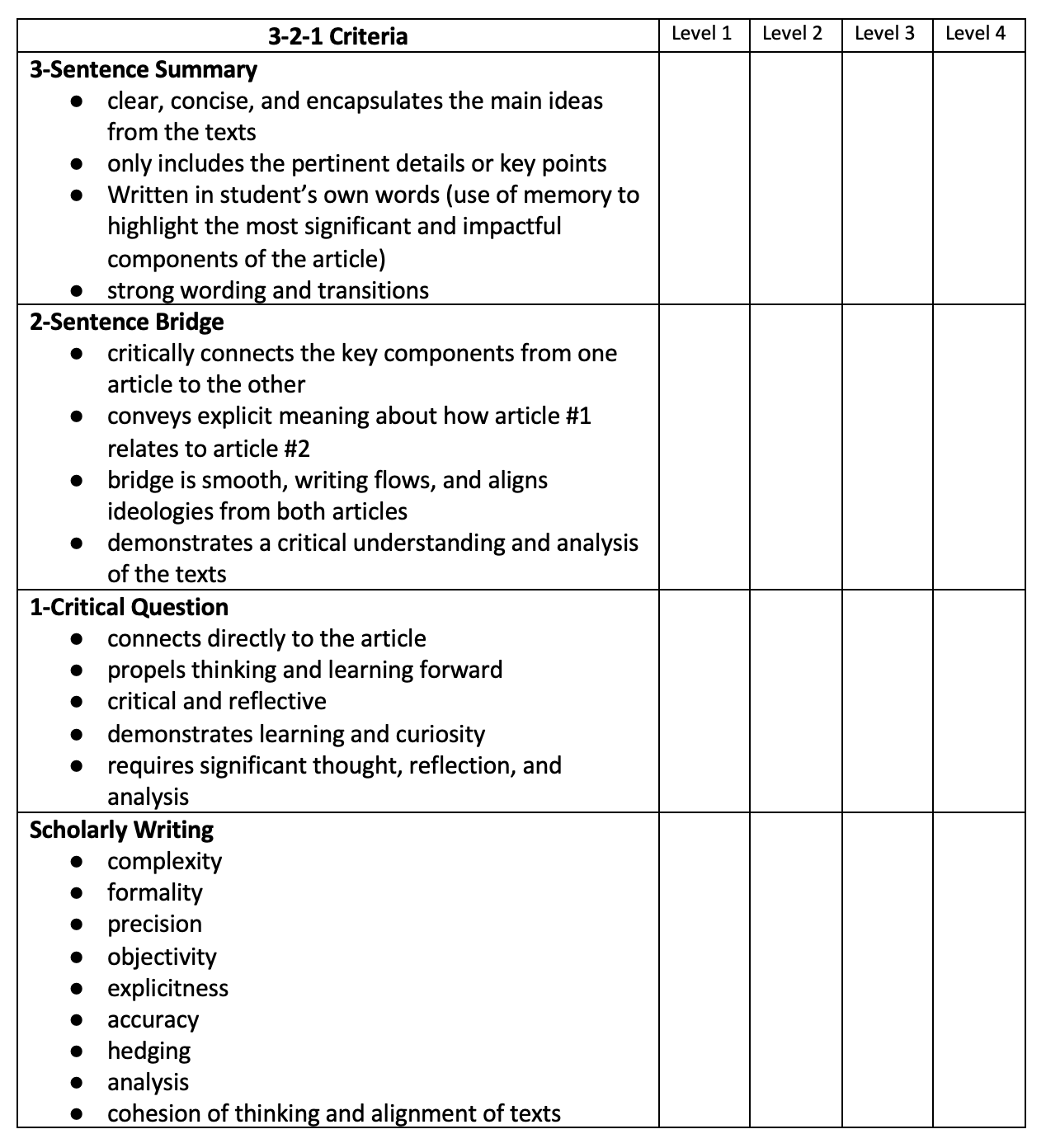
To help engage with these two papers on games and learning, we were asked to write a short summary of each using the “3-2-1” method, followed by a 2-sentence bridge that identifies common ground, linkages, or tensions between the two sets of ideas.
1. Cats and Portals: Video Games, Learning, and Play [1]
In Cats and Portals, Gee argues that well-designed video games operate as powerful learning spaces by weaving problem-solving, tool use, and mastery into discovery-driven play. Using the game Portal as an example, Gee shows how the portal gun functions as a “smart tool” that reshapes players’ perception, enabling them to consider new possibilities in their environment much like cats exploring the world through embodied experimentation. He extends this argument beyond games to describe how young people use digital tools to become amateur experts (Pro-Ams) and develop deep expertise and sophisticated literacies outside formal schooling.
Gee’s perspective positions games as both immediate learning experiences and gateways into wider ecologies of practice, where players engage in embodied experimentation through participation in communities and shared practices. This suggests that the understandings cultivated through play can serve as productive starting points for deeper learning.
2. Games as Distributed Teaching and Learning Systems [2]
In Games as Distributed Teaching and Learning Systems, Gee and Gee move beyond viewing games as stand-alone learning environments and instead situate them within broader Distributed Teaching and Learning (DTAL) systems made up of people, tools, and social practices. They describe learning as an embodied, dialogic process that ultimately unfolds through “conversations with the world,” whereby games act as a platform where ideas can be tested and revised through experience. The authors emphasize that what learners take up from games depends heavily on the networks of support, mentorship, and participation that surround them.
The ideas in this article represent a shift from Gee’s earlier focus on individual cognition by reframing learning as relational and embedded within sociotechnical systems shaped by power, access, and infrastructure. Although DTAL systems are described as self-organizing and potentially democratizing, they can just as easily reproduce and intensify existing educational inequities when material and social supports are unevenly distributed.
Bridging the Two:
While Cats and Portals emphasizes learning as an individual process of discovery shaped by tool use and perception, Games as Distributed Teaching and Learning Systems reframes learning as a relational and systemic process embedded within networks of social participation, mentoring, and material support. Reading these two articles back-to-back reveals a shift from play as personal transformation to play as a socially mediated practice shaped by power, access, and infrastructure